

SYS.01 Objective
A think tank sells credibility, and credibility is cumulative. Every artefact a reader meets, a brochure, a slide, a sponsorship prospectus, the signature on an email, either adds to the impression that this is a serious institution or quietly subtracts from it.
Which makes the brief unusually wide and unusually unforgiving. There is no single flagship piece to get right. There is a standard to hold across everything, produced at the pace of a small organisation that is also trying to run events, publish research and sell membership.
SYS.02 Creative response
The whole commercial and creative contract: brand identity and its applications, the website, the publication and deck systems, event material, and the marketing and CRM operations underneath it. The Monitor, the autonomous intelligence engine, is a separate product within the same contract and is documented on its own page.
Creative system
- Identity and its applications. The mark in positive, reversed and favicon treatments, and carried through to a virtual business card
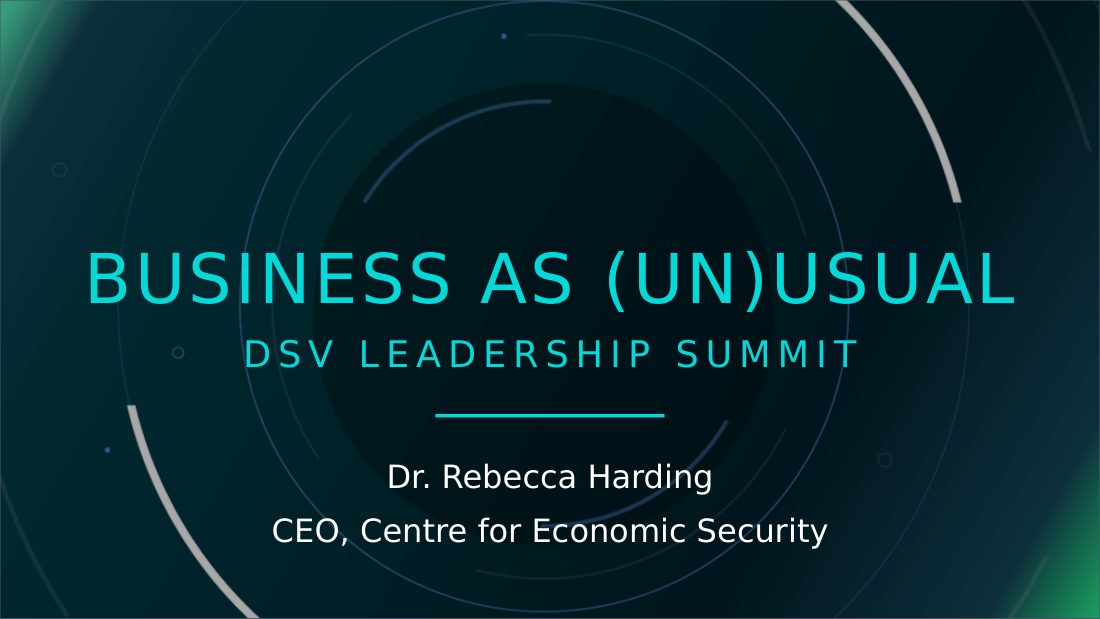
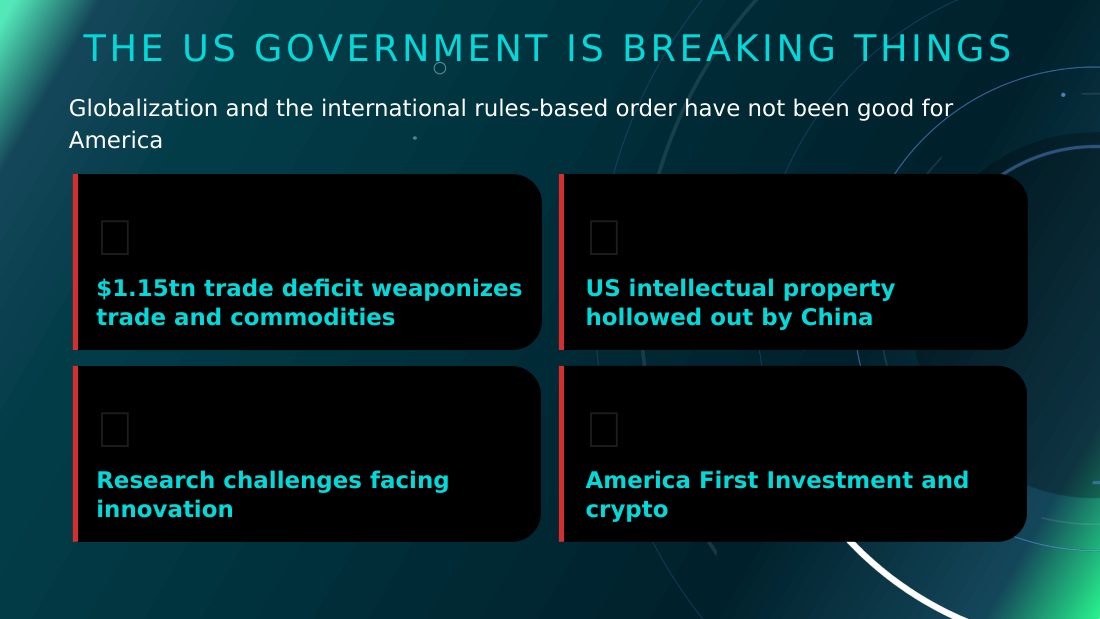
- The deck system. A maintained house PowerPoint template, revised annually, so anyone in the organisation can produce a presentation that looks like the organisation
- Publications. The membership prospectus and brochure, produced yearly and documented at <a href=”ces-membership.html”>CES Membership
- Events. Future of Security, the two-day Bush House conference, at <a href=”future-of-security.html”>Future of Security, plus session material for the DSV Leadership Summit and a GTR workshop
- Research and campaigns. Access to Cash and the economic-warfare tooling work, each recorded separately
- Marketing operations. The CRM, the mailing infrastructure and the messaging integrations that carry the output to an audience
- The Monitor. The intelligence engine, at <a href=”ces-monitor.html”>The Monitor
Building the deck template early, and maintaining it as a yearly artefact rather than a one-off, is the decision that does the most work across a contract this wide. An organisation of this size generates far more slides than any designer can make. The choice is between designing a fraction of them and designing the thing that makes all of them, and only the second one holds a standard.
The same logic runs through the publications. A membership prospectus reissued annually is not a new design each year; it is one system that absorbs a year of new content, which is why the second year costs a fraction of the first and looks more established rather than different.
Keeping the engine on its own page follows the same instinct applied to this site. The Monitor is a different kind of claim from a brochure, and a reader assessing whether you can build an autonomous system should not have to find it inside a list of brand work.
SYS.03 What the contract covers
- Identity and its applications. The mark in positive, reversed and favicon treatments, and carried through to a virtual business card
- The deck system. A maintained house PowerPoint template, revised annually, so anyone in the organisation can produce a presentation that looks like the organisation
- Publications. The membership prospectus and brochure, produced yearly and documented at <a href=”ces-membership.html”>CES Membership
- Events. Future of Security, the two-day Bush House conference, at <a href=”future-of-security.html”>Future of Security, plus session material for the DSV Leadership Summit and a GTR workshop
- Research and campaigns. Access to Cash and the economic-warfare tooling work, each recorded separately
- Marketing operations. The CRM, the mailing infrastructure and the messaging integrations that carry the output to an audience
- The Monitor. The intelligence engine, at <a href=”ces-monitor.html”>The Monitor
SYS.04 Creative response
SYS.05 The work
CES membership · The Monitor · CES, the Bush House rebuild · Economic warfare tooling · Future of Security
Design the thing that makes the slides
An organisation produces more decks than any designer can. Only the template holds the standard.
If this looks close to something you are dealing with, the quickest route is to say so in a sentence. You will get a real reply from a person, usually with a first read on the problem rather than a calendar link.